
EO Aeration Is a Release Decision, Not Just a Waiting Period
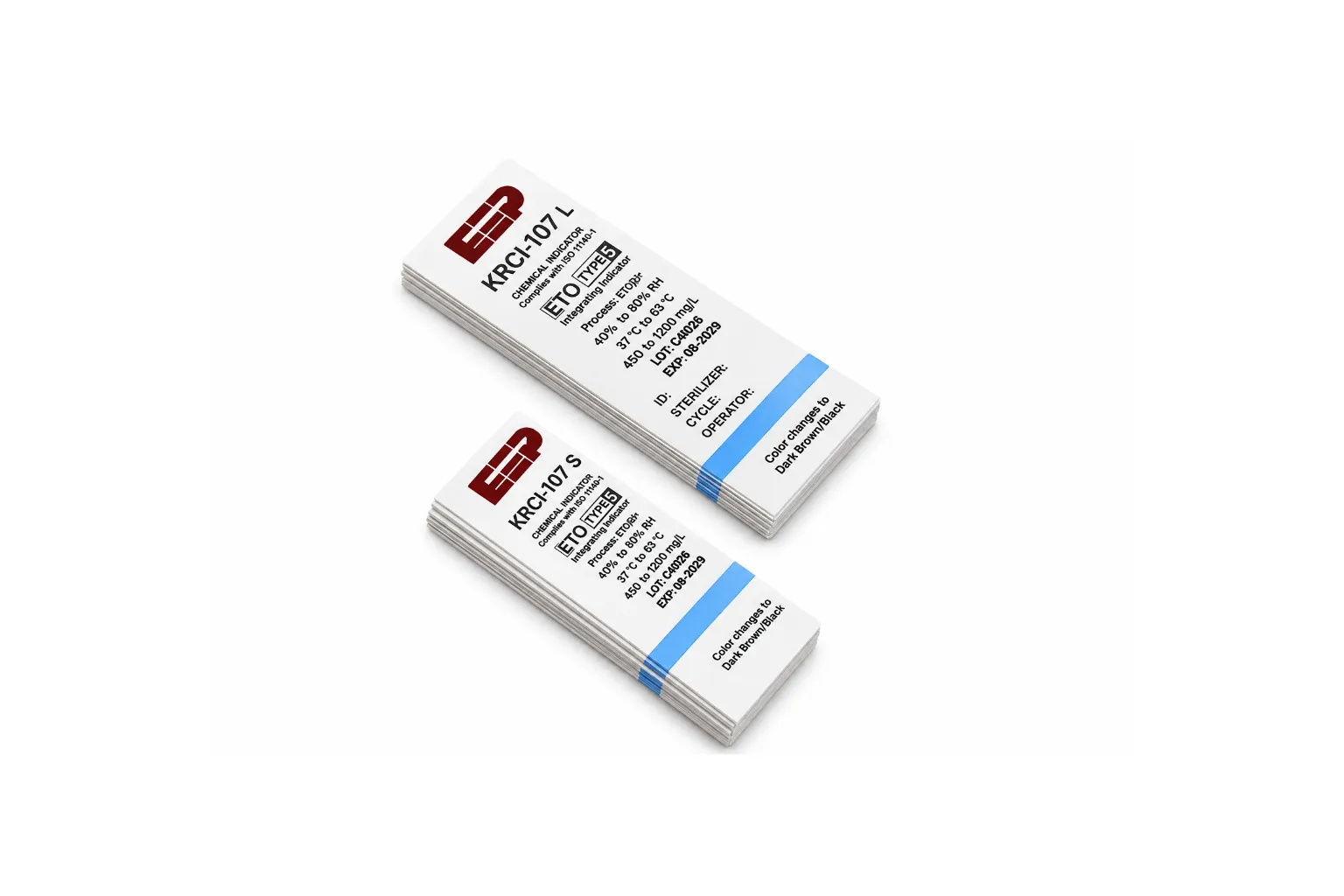
Ethylene oxide (EO) sterilization is used for medical devices that may be damaged by heat, moisture, or other sterilization methods. However, completion of the EO exposure cycle does not by itself establish that a device is ready for release. EO and related residual substances may remain in or on the device, and the time required for their reduction depends on the device, materials, packaging, process conditions, and intended use.
For this reason, aeration should be treated as a controlled part of the sterilization process and release decision—not simply as an informal waiting period.
Why aeration is part of EO process control
Aeration is the portion of the process during which sterilant and reaction products desorb from the device until predetermined levels are reached. It may occur inside the sterilization chamber or in a separate aeration chamber or room. [1]
For EO-sterilized medical devices, residual control is a separate consideration from demonstrating that the sterilization cycle was performed. FDA process-control guidance describes the importance of controlling and documenting sterilization processes, while residual assessment addresses a different question: whether EO-related substances remain within the limits applicable to the device and its intended use. [2]
Residuals are influenced by more than elapsed time
The rate at which EO leaves a device is not universal. Material type, thickness, geometry, porosity, moisture, temperature, load configuration, packaging, and the device’s ability to retain or absorb EO can affect residual levels. Published research has reported that material type—and particularly material thickness—should be considered when establishing aeration times for EO-sterilized medical devices. [3]
A nominal aeration duration copied from another product or load should therefore not be assumed to be adequate. A change in polymer, wall thickness, tubing length, packaging configuration, load density, or aeration environment may change the residual-release profile.
What must be demonstrated before release?
ISO 10993-7:2026 primarily addresses residuals from EO sterilization for medical devices with direct or indirect body or user contact. It specifies allowable limits and measurement procedures for residual EO and ethylene chlorohydrin (ECH), and describes how conformity can be determined for release. The standard relates allowable limits to factors including patient population and duration of contact. [1]
ISO 10993-7:2026 does not establish universal release requirements for every healthcare reprocessing or central sterile services department (CSSD) context. Its scope and applicability should be considered alongside the device’s labeling, the approved procedure, the responsible organization’s quality system, and any other applicable requirements. [1]
The standard also treats ethylene glycol (EG) differently: EG is discussed in relation to measurement and evaluation, but it is not assigned an allowable limit in the same manner as EO and ECH. [1] This distinction should be reflected in the device’s biological evaluation and residual-control rationale.
In practical terms, “aerated for X hours” is not, by itself, a complete acceptance criterion. The organization responsible for the device should be able to justify:
- the selected aeration conditions;
- the worst-case device or product family used for evaluation;
- the relationship between process conditions and residual levels;
- the analytical method used to measure relevant residuals; and
- the criteria used to determine product release.
FDA guidance for reprocessed medical devices recommends that labeling for EO-sterilized devices identify aeration instructions that reduce EO residuals to acceptable levels and directs manufacturers to applicable consensus standards for aeration and residual limits. [4]
Keep the evidence streams distinct
EO release decisions may require several complementary evidence streams. They should not be treated as interchangeable.
1. Sterilization process evidence
Cycle records, physical parameters, load identification, and applicable chemical or biological indicators help demonstrate that the approved sterilization process was run as intended. FDA describes the use of process controls and monitoring information in evaluating sterilization operations. [2] These records and indicators address process exposure and, where applicable, evidence related to microbial inactivation; they do not measure EO residuals. Accordingly, they do not, by themselves, establish that EO or ECH residuals conform to the limits applicable to the device and its intended use. [1][2]
2. Aeration evidence
Aeration records should show that the approved and validated aeration conditions were achieved. Depending on the process, this may include time, temperature, airflow, chamber conditions, product location, load configuration, and equipment status. The specific records and controls should follow the validated process and applicable requirements. [2]
3. Residual evidence
Residual testing is one way to demonstrate that EO and, where applicable, ECH are within established limits. The frequency and scope of residual testing must be established by the validated process, applicable requirements, the device’s intended use, and the organization’s documented quality-system rationale. No general testing frequency should be inferred from this article. [1]
If an organization uses a validated process-control approach in place of routine product testing, that approach should be explicitly supported by the applicable standard, validation data, approved procedures, and a documented rationale showing how conformity will be determined for the relevant product and conditions.
The evaluation should account for worst-case products and conditions rather than relying only on average or convenient samples. Any change in product, materials, packaging, equipment, load configuration, or process conditions should be assessed for its potential effect on the existing residual-control strategy.
4. Product and packaging evidence
Packaging can influence sterilant penetration and subsequent desorption. It may also affect how the product is handled during aeration. Packaging, load configuration, and product orientation should therefore remain consistent with the validated process unless a documented evaluation supports a change.
A practical CSSD and manufacturing checklist
Teams managing EO-sterilized products can use the following questions during routine review or change control:
- Is the product or load configuration covered by the approved EO and aeration process?
- Are devices dry and packaged according to approved instructions before EO processing?
- Are sterilization and aeration records linked to the same load identification?
- Are aeration conditions monitored, recorded, and reviewed before release?
- Is the worst-case product identified based on material, geometry, thickness, packaging, or expected residual retention?
- Are changes to materials, packaging, load density, sterilizer, aerator, or cycle conditions evaluated for their potential effect on residuals?
- If an aeration record is failed, incomplete, or missing, is the event handled through a documented deviation assessment under the approved quality system before release?
- Are residual limits and test methods based on applicable requirements, the device’s intended use, and the current approved biological evaluation?
Common errors to avoid
Using sterilization indicators as evidence of safe residual levels. Indicators can support process monitoring, but they do not measure EO residuals. [1][2]
Releasing solely because the minimum clock time has elapsed. Time is meaningful only within a validated process window and specified conditions.
Assuming similar-looking devices behave alike. Differences in polymer, wall thickness, internal volume, or packaging can change EO retention and desorption. [3]
Changing the load without assessing aeration. A denser load or different product mix may alter process conditions and the rate of residual reduction.
Treating a missing record as automatically equivalent to a failed product. A missing or failed aeration record is a release concern that requires documented deviation assessment, review of available evidence, and a disposition under the approved quality system. The appropriate disposition depends on the organization’s validated process and procedures.
Limitations
This article provides a process-assurance framework, not product-specific aeration times, residual limits, or analytical instructions. ISO 10993-7:2026 primarily addresses EO-sterilized medical devices with direct or indirect body or user contact; it does not automatically define universal release requirements for every CSSD or reprocessing context. [1] Actual requirements depend on the applicable standard edition, regulatory expectations, device classification, intended use, materials, validated process, and responsible manufacturer or reprocessor. Organizations should follow approved procedures and current device and sterilizer instructions.
Conclusion
EO sterilization assurance involves distinct questions: Was the microbial inactivation process performed as intended, and are residuals controlled to an acceptable level for the intended use? A complete release decision must address both questions. Treating aeration as a validated, documented, and reviewable process step helps prevent premature release and makes EO sterilization records more meaningful.
Educational disclaimer: This article is for general professional education and does not replace applicable standards, regulations, device labeling, validated procedures, or qualified technical and regulatory review.
References
- ISO 10993-7:2026, Biological evaluation of medical devices — Part 7: Ethylene oxide sterilization residuals. International Organization for Standardization. 2026.
- Sterilization Process Controls. U.S. Food and Drug Administration. 2023.
- Aeration of ethylene oxide-sterilized polymers. PubMed. 1986.
- Reprocessing Medical Devices in Health Care Settings: Validation Methods and Labeling: Guidance for Industry and Food and Drug Administration Staff. U.S. Food and Drug Administration. 2025.
Educational overview. Follow the applicable product instructions, validated procedures, local regulations and your facility’s approved policies.