
Why Hydrogen Peroxide Sterilization Is Cycle-Specific
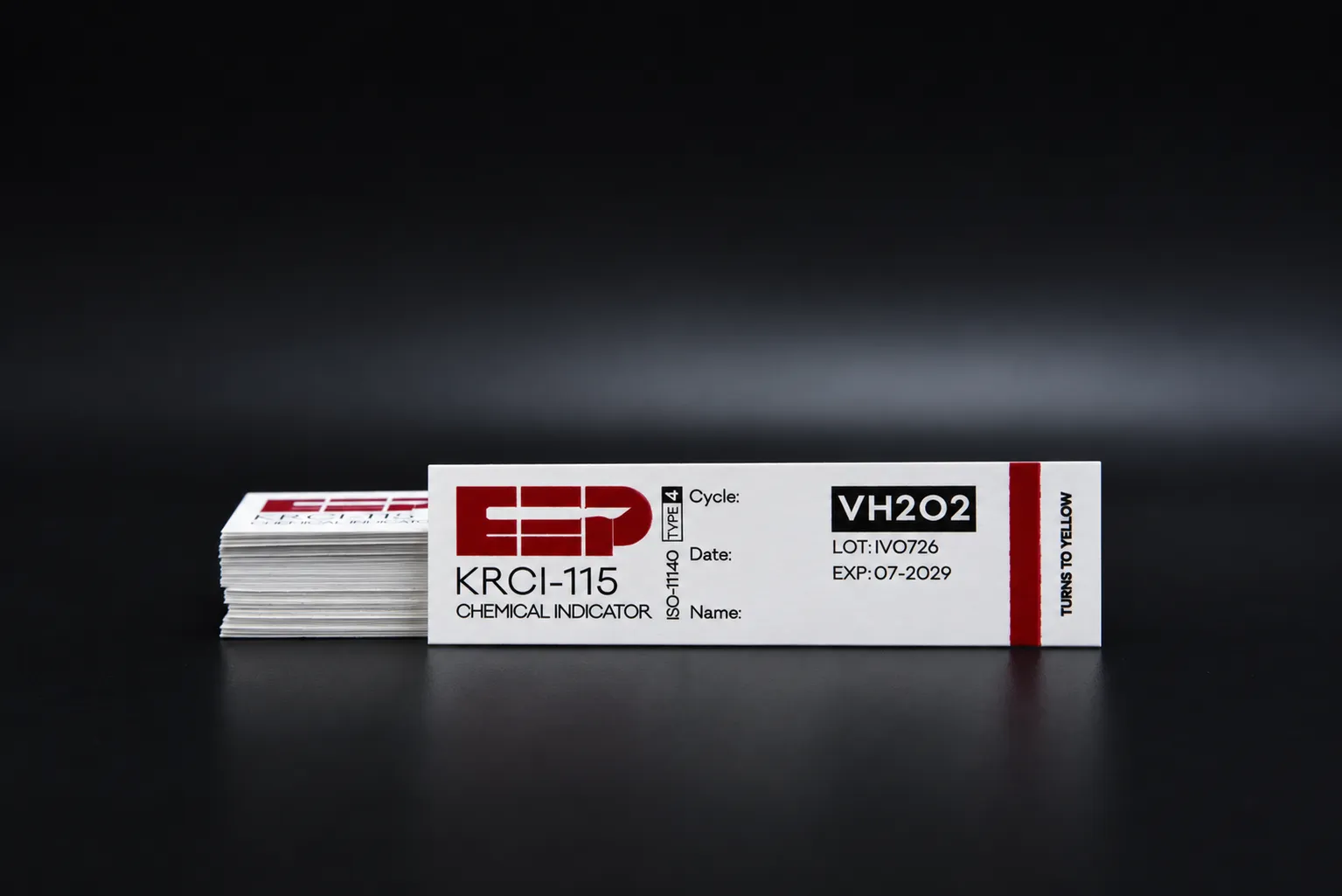
Low-temperature hydrogen peroxide sterilization should not be treated as one standardized, interchangeable process. Systems and cycles may have different labeling, operating conditions, device limitations, packaging requirements, and validated uses. For sterile processing and central service teams, the practical point is straightforward: an item identified as suitable for one hydrogen peroxide sterilizer or cycle should not automatically be assumed to be suitable for another.
Processing decisions should be matched to the specific sterilizer model, named cycle, device design, packaging, and load configuration. The device-specific instructions for use (IFU), sterilizer manufacturer documentation, and validated facility procedures control the decision for a particular load.
Hydrogen peroxide is a modality, not a complete cycle specification
FDA guidance recommends that reprocessing labeling identify the sterilizer manufacturer, sterilizer model, and specific cycle name or parameters rather than relying only on a broad method description.[1] This identification helps define the process to which the device instructions apply.
The FDA guidance is nonbinding. It does not itself validate every facility load, establish universal compatibility rules, or replace the applicable device IFU, sterilizer manufacturer instructions, or facility validation and procedures.[1] A description such as “hydrogen peroxide compatible” is therefore incomplete unless it is connected to the applicable sterilizer, cycle, device configuration, and packaging conditions.
When the same broad technology is used across different sterilizers or cycles, the relevant instructions may differ. FDA guidance addresses the need to specify process parameters and limitations in device labeling, including limitations related to the sterilizer, cycle, materials, and packaging.[1] Staff should use those specific instructions rather than treating the modality name as evidence of interchangeability.
What should be confirmed before processing?
1. The exact sterilizer and cycle
Reprocessing instructions should be matched to the exact sterilizer model and cycle identified by the device manufacturer. A device may be covered by one cycle and excluded from another because of its configuration, materials, packaging, or other stated restrictions.
Before processing, verify:
- sterilizer manufacturer and model;
- named cycle or cycle identification;
- permitted device category and configuration;
- maximum lumen dimensions, when applicable;
- approved packaging or containment system;
- restrictions on moisture, cellulose, liquids, or absorbent materials; and
- any required accessories or process challenge devices.
These checks should be performed against current device and sterilizer documentation. If the instructions do not clearly cover the proposed combination, the load should be escalated through the facility’s established review process rather than treated as automatically acceptable.
2. Device design and lumen geometry
Low-temperature sterilization technologies must be evaluated in relation to the device design and the surfaces that require sterilant contact. CDC identifies device configuration and lumen characteristics as considerations that can affect the suitability of low-temperature sterilization technologies.[2] A study specifically evaluated hydrogen peroxide gas plasma and vaporized hydrogen peroxide sterilizers under long, narrow lumen challenge conditions, reinforcing the importance of considering lumen geometry in cycle-specific assessment.[3]
Accordingly, a general statement that a device is “lumen compatible” should be interpreted within the boundaries stated in the applicable IFU and sterilizer documentation. A lumen claim is not automatically evidence that every device with a similar appearance, material, or nominal dimension is covered.
When a device has a long, narrow, blind-ended, flexible, or otherwise challenging internal pathway, the facility should confirm whether the proposed sterilizer and cycle are explicitly validated or otherwise covered by the applicable instructions. If the IFU does not clearly address the device and configuration, processing should be paused while the responsible team obtains clarification through the applicable manufacturer and facility processes.
3. Materials and packaging
Materials and packaging are part of the process definition. FDA guidance addresses incompatible materials, including cellulose in hydrogen peroxide processes, as well as packaging and load characteristics.[1] CDC also identifies device materials and construction as factors to consider when selecting low-temperature sterilization technologies.[2]
Packaging selection should therefore be based on the applicable instructions and validated process, not on convenience or an assumption that packaging suitable for another method is interchangeable. A wrap, pouch, tray, or containment device that is suitable for steam may not be suitable for a particular hydrogen peroxide cycle. Packaging can affect the conditions presented to the device and the ability of the process to reach relevant internal surfaces.
Monitoring results require process context
Routine monitoring remains important. CDC recommends mechanical, chemical, and biological indicators as appropriate for monitoring sterilization processes.[4] These indicators provide information about the process conditions or microbial inactivation represented by the indicator and its placement.
A passing indicator result does not, by itself, expand the validated scope of a cycle. It does not establish that every device in a mixed load was compatible with the cycle or that an unvalidated lumen configuration received adequate sterilant contact. This distinction is important when a load contains unusual devices, new packaging, dense arrangements, or components with challenging internal pathways.
A useful review question is:
“Did the monitoring result confirm the validated process used for this load, or are we asking the indicator to answer a device-specific compatibility question it was not designed to answer?”
Practical controls for sterile processing teams
Create a cycle-specific device matrix
Maintain a controlled reference linking each device or device family to the permitted sterilizer model, cycle, packaging configuration, and important restrictions. Include a process for reviewing manufacturer updates and removing obsolete instructions.
Control substitutions
Do not substitute a different sterilizer, cycle, tray, pouch, or process challenge device solely because the same broad technology is named. Substitution should be evaluated through the facility’s change-control process and supported by the applicable device, sterilizer, and packaging instructions.
Escalate unfamiliar designs
When a new device has a long or narrow lumen, complex internal pathway, absorbent component, delicate optical pathway, or unusual material, pause before processing. Obtain the manufacturer’s reprocessing instructions and determine whether the proposed sterilizer, cycle, and packaging configuration are explicitly covered.
Trend recurring exclusions and failures
Repeated cycle aborts, wet or damaged packaging, incomplete indicator changes, or device complaints may identify a mismatch between load composition and the applicable process. Trend these events by sterilizer, cycle, device family, packaging system, and operator workflow rather than treating each event as isolated.
Limitations
General guidance cannot replace the IFU, sterilizer documentation, or validation evidence applicable to a particular device and cycle. FDA guidance is nonbinding and does not establish universal compatibility limits.[1] CDC educational materials likewise do not replace device-specific instructions or facility procedures.[2][4] Local procedures must address the facility’s applicable safety, maintenance, environmental, regulatory, and accreditation requirements.
Conclusion
Hydrogen peroxide sterilization is best managed as a set of specific processes rather than as one interchangeable technology. Reliable practice requires matching the device, sterilizer model, named cycle, packaging, load configuration, and monitoring approach. When these elements are kept together, monitoring results become more meaningful and the risk of processing a device outside its applicable conditions is reduced.
Educational disclaimer: This article provides general technical education for sterilization and sterile processing professionals. It does not replace device-specific instructions for use, sterilizer manufacturer instructions, validated facility procedures, or applicable regulatory requirements.
References
- U.S. Food and Drug Administration. Reprocessing Medical Devices in Health Care Settings: Validation Methods and Labeling. https://www.fda.gov/media/80265/download?attachment=
- Centers for Disease Control and Prevention. Low-Temperature Sterilization Technologies. https://www.cdc.gov/infection-control/hcp/disinfection-sterilization/low-temperature-sterilization.html
- Performance of hydrogen peroxide gas plasma and vaporized hydrogen peroxide sterilizers under long narrow lumen challenge conditions. PubMed. https://pubmed.ncbi.nlm.nih.gov/42863568
- Centers for Disease Control and Prevention. Sterilizing Practices. https://www.cdc.gov/infection-control/hcp/disinfection-sterilization/sterilizing-practices.html
References
- Reprocessing Medical Devices in Health Care Settings: Validation Methods and Labeling. U.S. Food and Drug Administration. 2025.
- Low-Temperature Sterilization Technologies. Centers for Disease Control and Prevention. 2023-11-28.
- Performance of hydrogen peroxide gas plasma and vaporized hydrogen peroxide sterilizers under long narrow lumen challenge conditions. PubMed. 2026.
- Sterilizing Practices. Centers for Disease Control and Prevention. 2024.
Educational overview. Follow the applicable product instructions, validated procedures, local regulations and your facility’s approved policies.