
The Reprocessing Endpoint Starts With Intended Use
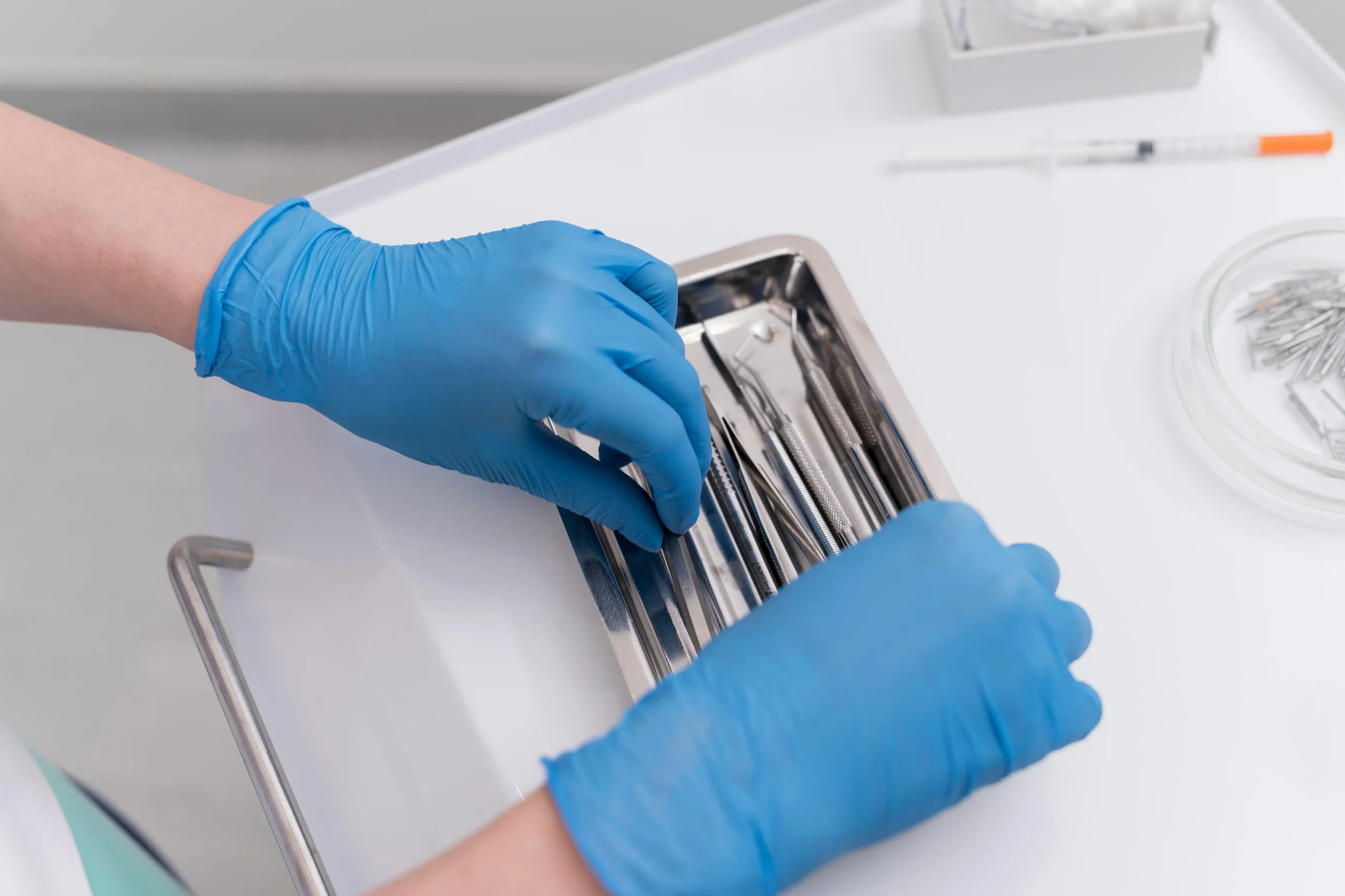
Reprocessing decisions should begin with the device’s intended use, design, materials, and current manufacturer instructions for use (IFU)—not simply with the available sterilizer, disinfectant, or the device’s location in the facility. The same general category of equipment may require different processing depending on whether it enters sterile tissue, contacts mucous membranes, or touches only intact skin.
For CSSD, endoscopy, operating-room, dental, and ambulatory-care teams, this principle creates an important operational question: what reprocessing endpoint is required for this device, and how can the team verify that the selected process was performed as specified?
Start with intended use
The CDC framework commonly divides reusable patient-care items into three risk categories. Critical items enter normally sterile tissue, the vascular system, or a sterile body fluid pathway and require sterilization before use. Semicritical items contact mucous membranes or nonintact skin and require, at minimum, high-level disinfection. Noncritical items contact intact skin and require cleaning followed by low-level disinfection when indicated by the device, product label, and facility procedure. [1] [2]
This classification is a starting point, not a substitute for current, device-specific IFU. Device construction, channels, materials, accessories, and intended clinical application may impose requirements that are more specific than the broad category suggests. The FDA describes reprocessing as a sequence that includes point-of-use treatment, thorough cleaning, and disinfection or sterilization appropriate to the device and its intended use. [3]
Why classification errors occur
Reprocessing errors can arise when staff classify equipment by appearance or department rather than by contact risk. For example, a device may look like a surface-contact accessory but be used in a sterile procedure. Conversely, a device routinely handled in an operating room may not itself enter sterile tissue.
Other sources of confusion include:
- reusable accessories used with an endoscope;
- devices used in both diagnostic and surgical procedures;
- heat-sensitive devices for which the selected process must be compatible with the device; and
- manufacturer instructions that distinguish among cleaning, disinfection, sterilization, rinsing, drying, and other required steps.
Each reusable device requires a specific reprocessing regimen. The applicable device IFU and a facility procedure established under the applicable quality system should determine the sequence, compatible materials, process conditions, and required endpoint. Where a procedure is described as validated, that validation should support the applicable device and process. [3] [5]
Cleaning is a required precondition
Disinfection and sterilization are not reliable substitutes for effective cleaning. Blood, tissue, and other organic material can shield microorganisms from the subsequent microbicidal process. FDA identifies inadequate cleaning as a factor that can allow biological debris and microorganisms to remain on reusable devices after processing. [4]
A practical workflow should therefore treat cleaning as a defined process with its own controls:
- Point-of-use treatment: prevent soil from drying and follow the device-specific instructions for immediate handling.
- Preparation: disassemble the device and accessories as instructed, expose surfaces and channels, and select compatible brushes, adapters, detergents, and lubricants where specified.
- Cleaning: perform the established manual or automated steps, including required flushing, brushing, rinsing, and drying.
- Inspection: examine the device using the inspection criteria in the applicable instructions. If visible soil remains or deterioration is unacceptable, repeat the applicable cleaning steps or remove the device from service.
- Microbicidal processing: use the sterilization or disinfection method specified by the manufacturer and included in the established facility process.
FDA guidance recommends that reprocessing instructions include visual inspection criteria and actions for devices that are not visibly clean or show unacceptable deterioration, such as cracks, pitting, corrosion, or damaged seals. [5]
Match the endpoint to the device and process
Critical devices
Devices that enter sterile tissue or the vascular system require sterilization. Any exceptional alternative must be determined by applicable guidance, the device labeling, and an established process; it should not be inferred from equipment availability or convenience. Steam is generally preferred for critical devices that tolerate heat, moisture, pressure, and the relevant cycle conditions. Heat- or moisture-sensitive devices may require a low-temperature sterilization process when specified for the device and established for use. [2]
The monitoring strategy should reflect the selected process and the device’s configuration. A sterilization indicator can demonstrate exposure to specified process conditions, but it does not by itself establish that the device was adequately cleaned, correctly assembled, or completely and effectively reprocessed. Indicator results therefore should be interpreted within the applicable release process rather than as proof of device sterility or overall reprocessing effectiveness. [2]
Semicritical devices
Semicritical devices contact mucous membranes or nonintact skin. CDC recommendations call for at least high-level disinfection, although heat-stable semicritical devices may be sterilized when feasible and consistent with the manufacturer’s instructions. [2]
Complex devices, especially those with channels, require attention to fluid contact, flushing, drying, and inspection. A high-level disinfection step cannot compensate for blocked channels, retained soil, incorrect concentration, inadequate contact, or incomplete drying when those factors are addressed by the applicable process instructions.
Noncritical devices
Noncritical equipment contacts intact skin. The endpoint is cleaning followed by low-level disinfection when indicated by the device, product label, and facility procedure. The selected product and method must be compatible with the device. If the intended use changes—for example, if an accessory is introduced into a sterile field—the classification and required endpoint must be reassessed.
Build a practical decision check
Facilities can reduce ambiguity by adding a short reprocessing decision check to device onboarding, competency training, and procedure review:
- What body site or material will the device contact?
- Will it enter sterile tissue, the vascular system, or a sterile fluid pathway?
- Does it contact mucous membranes or nonintact skin?
- Is the device compatible with the proposed process?
- What does the current manufacturer’s IFU specify for cleaning, disinfection, sterilization, rinsing, drying, and inspection?
- Are accessories, channels, adapters, and transport containers included in the established process?
- What records document that the selected process was performed and met defined release criteria?
When intended use, the device IFU, and the local procedure do not align, the item should not be processed by assumption. Escalate the discrepancy to the responsible quality, infection-prevention, or device-management function and resolve it before routine use.
Practical implications for CSSD and quality teams
A useful audit does not ask only whether a sterilizer ran successfully. It also asks whether the correct endpoint was selected, whether cleaning was completed before the microbicidal step, whether the device was compatible with the selected process, and whether records document that the selected process was performed and met defined release criteria.
Such records support process review and release decisions; they do not, by themselves, prove device sterility or disinfection efficacy. This approach helps distinguish three different problems: choosing the wrong endpoint, failing to perform the required preparation, and failing to verify or document the selected process. Each requires a different corrective action.
Limitations
Risk categories provide a general framework and cannot replace current, device-specific manufacturer instructions, applicable regulations, established facility procedures, or competent professional judgment. Some devices and accessories have specialized requirements, and local policies may be more stringent than the general framework summarized here.
Educational disclaimer: This article is for professional education and process-improvement discussion. It is not patient-specific medical advice and does not replace the device manufacturer’s instructions, applicable regulations, or facility policy.
Validated sources
- Table 1. Methods of sterilization and disinfection — Centers for Disease Control and Prevention
- Recommendations for Disinfection and Sterilization in Healthcare Facilities — Centers for Disease Control and Prevention
- How are Reusable Medical Devices Reprocessed? — U.S. Food and Drug Administration
- Reprocessing of Reusable Medical Devices — U.S. Food and Drug Administration
- Reprocessing Medical Devices in Health Care Settings: Validation Methods and Labeling — U.S. Food and Drug Administration
References
- Table 1. Methods of sterilization and disinfection. Centers for Disease Control and Prevention. 2023-12-19.
- Recommendations for Disinfection and Sterilization in Healthcare Facilities. Centers for Disease Control and Prevention. 2023.
- How are Reusable Medical Devices Reprocessed?. U.S. Food and Drug Administration. 2019-02-22.
- Reprocessing of Reusable Medical Devices. U.S. Food and Drug Administration. 2024-02-08.
- Reprocessing Medical Devices in Health Care Settings: Validation Methods and Labeling. U.S. Food and Drug Administration. 2015.
Educational overview. Follow the applicable product instructions, validated procedures, local regulations and your facility’s approved policies.