
Preventive Maintenance Programs for Sterilization Equipment: Design and Records
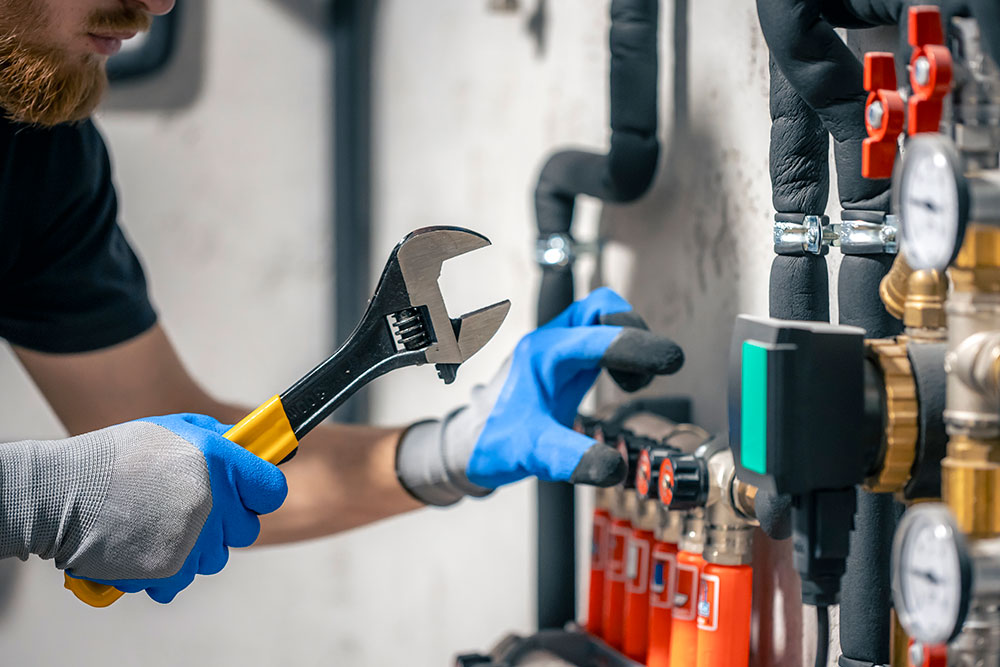
Preventive maintenance is one part of a broader sterilization-control program. It does not establish sterility by itself, replace validated processing, or substitute for routine monitoring. Its purpose is to help keep sterilization equipment in the condition specified by the manufacturer and the facility’s approved procedures while creating records that support review and investigation.
This article addresses preventive-maintenance program design and documentation. It does not provide a universal maintenance schedule or a detailed return-to-service protocol. Tasks, intervals, acceptance criteria, and any post-maintenance assessment depend on the sterilizer technology, equipment design, manufacturer’s instructions, and the facility’s quality system. Detailed decisions about returning a sterilizer to service after maintenance or repair should be handled through a separate approved procedure.
Define the scope of the maintenance program
Preventive maintenance consists of planned activities intended to preserve equipment condition and performance. Depending on the equipment and applicable instructions, activities may include inspection, cleaning, adjustment, replacement of specified wear components, examination of seals or filters, review of alarms, or other defined service tasks. The applicable activities should be established for each equipment type rather than copied from an unrelated model.
CDC identifies preventive maintenance by qualified personnel, guided by the manufacturer’s instructions, as part of a quality-control program for sterilized items.[1] CDC also describes sterilizer maintenance as one component of sterilizing practices, alongside appropriate operation and monitoring.[3] These recommendations support treating maintenance as a planned control activity rather than an informal engineering task.
The program should identify each sterilizer and relevant associated equipment, the applicable manufacturer instructions, required tasks, intervals, responsible personnel, and records to be completed. The schedule should reflect the technology and equipment design. A function relevant to a steam sterilizer may not apply to another sterilization technology, and not every sensor, software function, utility, or process variable requires the same control or service activity.
Where manufacturer instructions, facility procedures, or applicable quality requirements differ in detail, the organization should resolve the difference through its documented quality process. A generic checklist or interval should not be treated as suitable for every sterilizer.
Assign responsibilities and authorization
Maintenance should be performed by personnel who are trained and authorized for the equipment and task. The record should identify the person or service organization that performed the work and, where relevant, the authorization or training basis. Use of an external service provider does not remove the facility’s responsibility to review the documentation and apply its approved equipment-status process.
Responsibilities should be explicit. One function may maintain the schedule and review service reports, while another manages load processing or release decisions. Quality personnel may review deviations, overdue activities, and evidence generated during maintenance. The precise assignment will vary by organization, but ownership of each decision should be clear.
Build equipment-specific maintenance records
A date-only entry provides limited evidence. A useful record should connect the work to the specific equipment and describe what was done and what was found. Depending on the facility’s procedure, the record may include:
- Equipment identification and location;
- Maintenance date, task, and applicable work instruction;
- Name of the person or service provider performing the work;
- Inspection findings, adjustments, replaced components, and unresolved issues;
- Tools or test instruments used, when relevant;
- Acceptance criteria and the observed result, when defined by the applicable procedure;
- Calibration status of relevant measurement or test devices;
- Any deviation, alarm, failure, or work outside the planned task;
- Review or approval by the designated responsible person; and
- The resulting equipment status, including restrictions or an equipment hold when applicable.
The exact record content is a facility quality-system practice that should be defined by the organization’s procedures and the manufacturer’s instructions. The objective is to preserve an understandable history of equipment condition and decisions, not to create a universal form. Acceptance criteria should likewise come from the applicable manufacturer instructions, validated procedures, or approved facility requirements rather than from an assumed generic value.
Control calibration and measurement reliability
Some sterilization processes rely on recorded measurements of process variables. The relevant variables and devices depend on the sterilizer technology and equipment design. FDA inspection guidance for sterilization process controls discusses equipment controls, process monitoring, maintenance, calibration, and related records in the regulated manufacturing settings addressed by that guidance.[2] FDA guidance concerning sterility review and approval also discusses reliable data from sterilization-cycle monitoring devices and maintaining applicable measurement devices in a calibrated state in the pharmaceutical context addressed by that guidance.[4]
These FDA sources should not be presented as direct, standalone requirements for every healthcare facility or central sterile services department. Organizations should determine which requirements apply to their operations and follow applicable regulations, manufacturer instructions, validated procedures, and quality-system requirements.
When calibration is required by the facility’s procedure, the calibration record may include the instrument identity, date, method or reference used, results, acceptance decision, and next due date. This is a documentation practice for controlling measurement devices; the specific fields should be defined by the applicable procedure. Calibration status alone does not demonstrate that the complete sterilizer or sterilization process is acceptable.
If a device is found outside tolerance, the organization should follow its documented process for assessing the possible effect on prior measurements, affected equipment, and processed loads. The need for that assessment should be determined under the facility’s quality system and applicable procedures, not assumed to be unnecessary merely because the sterilizer can complete a cycle.
Separate maintenance records from post-maintenance decisions
Preventive-maintenance records document service activity. They should not be treated as automatic evidence that the equipment is ready for use. The facility should maintain a separate approved process for equipment-status decisions after maintenance or repair, including any required review, functional check, testing, hold, investigation, or approval. Detailed return-to-service content is outside the scope of this article.
Qualification and requalification are also distinct from preventive maintenance. In this article, qualification means a documented demonstration that equipment or a system is suitable for its intended use under defined conditions, while requalification means a subsequent assessment required by the applicable procedure when defined changes or other circumstances warrant it. These definitions and the decision about when either activity is required should be controlled by the facility’s quality system and applicable procedures. Preventive maintenance does not automatically constitute qualification or requalification.
Similarly, a functional check or review after maintenance is not automatically a qualification or requalification. The organization should define, in its approved procedures, which categories of work require additional assessment. The decision should consider the nature of the work, the affected equipment function, manufacturer instructions, and applicable quality-system controls.
Use maintenance records during review
Maintenance history can provide relevant evidence when monitoring results, packaging inspections, mechanical records, or load outcomes are unfavorable. FDA inspection guidance identifies maintenance, calibration, process monitoring, and acceptance records as information relevant to reviewing process control and nonconformances in the regulated settings covered by that guidance.[2] This source should not be interpreted as establishing a universal healthcare-CSSD investigation protocol.
A documented review may ask whether required maintenance was current, whether the equipment had recent alarms or repairs, whether relevant measurement devices were in the required calibration status, and whether the service activity involved a function related to the observed issue. The organization should also follow its approved procedure for determining whether equipment-status review or action concerning potentially affected loads is needed.
These questions do not establish causation by themselves. They create an evidence trail and help prevent unsupported conclusions, including assuming that a monitoring failure was caused by the sterilizer or that a service visit automatically resolved the issue.
Program review checklist
- Maintain an equipment-specific schedule based on manufacturer instructions and approved facility procedures.
- Define tasks, intervals, responsible personnel, and required records for each equipment type.
- Specify training and authorization requirements for internal and external service personnel.
- Identify measurement devices requiring calibration and define how calibration status is controlled.
- Record findings, adjustments, replaced components, acceptance results, deviations, and open issues.
- Define, through the quality system, when maintenance requires additional verification or assessment.
- Keep maintenance documentation distinct from the separate decision process for equipment status after maintenance or repair.
- Periodically review overdue tasks, repeat repairs, recurring alarms, incomplete records, and trends that may require corrective action.
Limitations
Preventive maintenance does not establish sterility and cannot replace validated processing, appropriate loading and operation, routine process monitoring, or review of applicable packaging and load records. Calibration, verification, qualification, and requalification are distinct activities and should be applied according to the equipment, process, manufacturer instructions, and facility procedures. The cited sources provide control principles in the contexts described and do not establish a universal maintenance schedule, record form, or return-to-service protocol.
Educational disclaimer: This article is for professional education and does not replace applicable regulations, manufacturer instructions for use, validated procedures, or qualified technical and quality review.
References
- Recommendations for Disinfection and Sterilization in Healthcare Facilities: Summary Recommendations. Centers for Disease Control and Prevention. 2023-11-28.
- Sterilization Process Controls. U.S. Food and Drug Administration. 2022-03-29.
- Sterilizing Practices. Centers for Disease Control and Prevention. 2023-11-28.
- Guidance for Industry: Sterility Review and Approval. U.S. Food and Drug Administration. 2002-10-01.
Educational overview. Follow the applicable product instructions, validated procedures, local regulations and your facility’s approved policies.