
Rigid Sterilization Containers: A Practical Maintenance and Inspection Framework
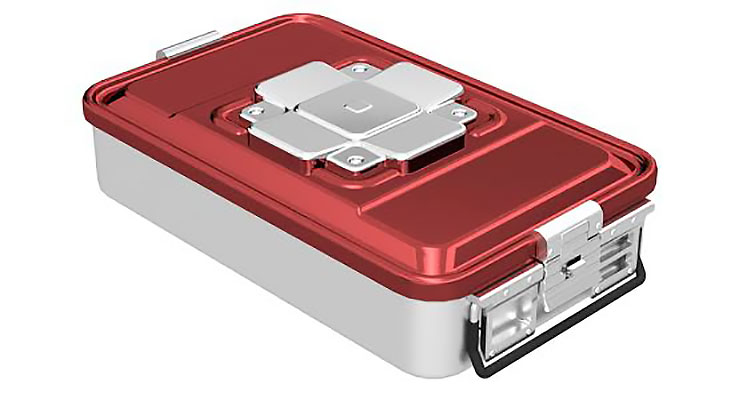
Rigid sterilization containers are active components of a packaging system. They are intended to permit sterilant access while protecting processed contents from contamination during handling and storage. The container manufacturer’s instructions for use (IFU) remain the controlling source for cleaning, disassembly, inspection, approved components, replacement criteria, and compatibility with a particular sterilization process.
For central sterile/sterile processing teams, the practical question is not simply whether a container looks clean. The question is whether the container and its components remain correctly assembled, compatible with the intended process, and capable of performing as specified after repeated cleaning, handling, sterilization, transport, and storage.
Why container maintenance belongs in sterilization assurance
Effective sterilization involves more than the sterilizer cycle. CDC guidance describes packaging, loading, monitoring, sterilant contact, and process suitability for the load as connected elements of reprocessing quality. Packaging must permit sterilant penetration and help protect processed items from contamination after sterilization. [1]
A rigid container can therefore present two related but distinct concerns:
- Processing concern: a damaged, incorrectly assembled, or incompatible component may affect the container’s intended function during the selected process.
- Packaging-integrity concern: a compromised filter, gasket, latch, seal, or sealing surface may reduce protection against contamination after processing.
An acceptable physical cycle record or chemical indicator result provides information about the process or exposure represented by that indicator. It does not, by itself, establish that a damaged container maintained its sterile barrier during subsequent handling and storage. This is a packaging-integrity limitation, not a conclusion that the sterilization process failed.
One published experimental study evaluated the prevention of bacterial ingress in sterilized rigid containers and wrapped instrument trays under dynamic test conditions. Its findings should be understood within that study design and should not be generalized to every container design, accessory, sterilizer, load, or facility workflow. [4]
Components requiring routine attention
Filters and filter-retention systems
Filters and retaining mechanisms should be inspected according to the applicable container IFU. Operational checks may include looking for tears, deformation, blockage, residue, incorrect placement, or a retainer that does not seat correctly. These are examples for a facility inspection procedure, not universal CDC requirements.
Filters should not be improvised, substituted, or used beyond the manufacturer’s instructions. Where the IFU requires disassembly for cleaning, staff should follow that instruction and verify that components are correctly reassembled before use. APSIC guidance discusses cleaning of rigid container systems and disassembly of components when required by the manufacturer. [2]
Gaskets and seals
Depending on the container design and IFU, an inspection may include checking gaskets for cuts, flattening, cracking, hardening, displacement, residue, or other changes that could affect seating. A gasket that appears intact may still be incorrectly positioned, twisted, contaminated with residue, or otherwise outside the manufacturer’s acceptance criteria.
Replacement intervals and criteria should not be invented locally. Follow the container manufacturer’s instructions, approved parts list, and specified inspection requirements. If the IFU identifies a gasket as a wear component, recording its replacement history may support maintenance control and investigation. The decision to record or replace a component should be incorporated into the facility’s validated or approved procedure for that specific container system.
Latches, hinges, and locking mechanisms
Where required by the IFU or facility procedure, latches, hinges, handles, and locking features can be checked for smooth operation, secure closure, looseness, misalignment, or unexpected release. Bent hardware, a lid that rocks, or a latch that does not function as specified should prompt removal from use pending assessment.
An apparently functional latch should not be used to compensate for a damaged lid, warped base, or distorted sealing surface. The container is a system, and an acceptable condition in one component does not offset a defect elsewhere.
Container body, lid, and sealing surfaces
Inspection may include the container body, lid, corners, perforations, interfaces, and sealing surfaces. Look for damage identified by the applicable IFU or facility procedure, such as dents, cracks, corrosion, sharp edges, residue, or distortion. Particular attention may be appropriate at the lid-to-base interface, where deformation could affect contact or fit.
Cleaning methods must be compatible with the container materials and components. Abrasive methods, unsuitable chemicals, excessive mechanical force, or unapproved automated processes may damage the system or shorten component life. The container IFU and sterilizer manufacturer’s instructions should be reviewed together when a cleaning or sterilization method is introduced or changed.
An IFU-based inspection workflow
A consistent workflow can reduce missed defects and support training, but its steps and timing must be established by the applicable container IFU and facility procedure. A possible local sequence is:
- Confirm identity: verify the container type, size, configuration, and intended use.
- Check cleanliness and dryness: examine relevant internal and external surfaces, corners, perforations, and component interfaces.
- Inspect the body and lid: look for damage or distortion against the manufacturer’s acceptance criteria.
- Inspect filters and retainers: confirm condition, placement, and approved assembly.
- Inspect the gasket or seal: check condition and seating as specified by the IFU.
- Operate hardware where required: assess hinges, latches, handles, and locking features for specified function.
- Verify configuration: confirm that only approved components are present and that loading follows the applicable instructions.
- Document the decision: release, hold for evaluation, repair, or remove from service according to local procedure.
The timing of inspection should not be described as universally occurring at assembly or before loading. A facility may choose those points, or another point, if supported by its procedure and the container IFU. Additional checks may be appropriate after sterilizer unloading, transport, or storage when those stages could introduce damage.
Response when a defect is found
A container with a potentially significant defect should not be returned to service merely because its contents completed a cycle. Place it on hold, identify the finding, and assess whether other loads or containers may be affected. Depending on the IFU and the nature of the defect, the response may include:
- cleaning and reinspection;
- replacement with an approved component;
- technical evaluation or repair by an authorized service provider;
- reprocessing the contents using an approved packaging system; or
- removal from service and documented disposition.
If the container was used for a processed load and the defect could have affected sterile-barrier maintenance, follow the facility’s hold-and-investigate procedure. Relevant information may include the container identifier, load and cycle identifiers, sterilizer, contents, monitoring results, time of discovery, and whether the container was opened or distributed. The investigation should distinguish evidence about sterilization exposure from evidence about packaging integrity after processing.
Documentation and traceability
CDC recommendations address documentation and traceability for sterilization processes, including load contents, monitoring, packaging inspection, and records associated with sterilization cycles. [3] Container maintenance records can complement those records by linking the container identifier to:
- inspection findings and disposition;
- filter, gasket, or other approved-component replacement;
- repair or service activity;
- failed or rejected inspections;
- associated load or cycle identifiers when a defect is discovered after processing; and
- training or competency records where required by the facility.
Trend review may identify recurring problems, such as repeated hardware damage, component deterioration, residue after a particular cleaning method, or defects associated with a handling or transport route. Any resulting change to cleaning, inspection, storage, or maintenance should be evaluated against the applicable IFU and facility qualification or validation activities.
Limitations and cautions
Visual inspection is important but may not detect every functional defect. A container can appear clean and intact while still being incorrectly assembled, outside the manufacturer’s specifications, or incompatible with the selected process. Conversely, a cosmetic mark does not automatically establish that a container failed. Facilities should avoid locally invented dimensions, replacement intervals, cycle parameters, or equivalence assumptions.
Rigid containers should be used only with the sterilizers, cycles, loads, accessories, and components covered by the applicable manufacturer instructions and facility qualification or validation activities. When instructions are unclear, obtain clarification from the manufacturer or qualified technical personnel rather than inferring compatibility from appearance or past experience.
Key takeaways for CSSD teams
- Inspect the complete container system, not only the lid or external indicator.
- Treat filters, gaskets, latches, hinges, retainers, and sealing surfaces as components whose inspection requirements are determined by the applicable IFU and facility procedure.
- Follow the container IFU for disassembly, cleaning, approved components, replacement, and configuration.
- Distinguish sterilization-process evidence from evidence that the sterile barrier remained intact after processing.
- Hold and investigate defects that could affect processing or sterile-barrier maintenance.
- Link maintenance and inspection records to container identifiers and sterilization traceability data. [3]
Educational disclaimer: This article is intended for professional education and does not replace the sterilization container, sterilizer, instrument, packaging, or applicable instructions for use. Local procedures should be developed and reviewed by qualified sterile processing, infection prevention, quality, and technical personnel.
References
- Sterilizing Practices. Centers for Disease Control and Prevention. 2023-11-28.
- APSIC guidelines for disinfection and sterilization of instruments in health care facilities. Asia Pacific Society of Infection Control. 2018.
- Recommendations for Disinfection and Sterilization in Healthcare Facilities. Centers for Disease Control and Prevention. 2024-06-06.
- Sterility maintenance study: Dynamic evaluation of sterilized rigid containers and wrapped instrument trays to prevent bacterial ingress. American Journal of Infection Control; PubMed. 2015-12-01.
Educational overview. Follow the applicable product instructions, validated procedures, local regulations and your facility’s approved policies.